Canada Study Permit Updates 2026: PAL, Caps, PGWP Changes and Family Impact
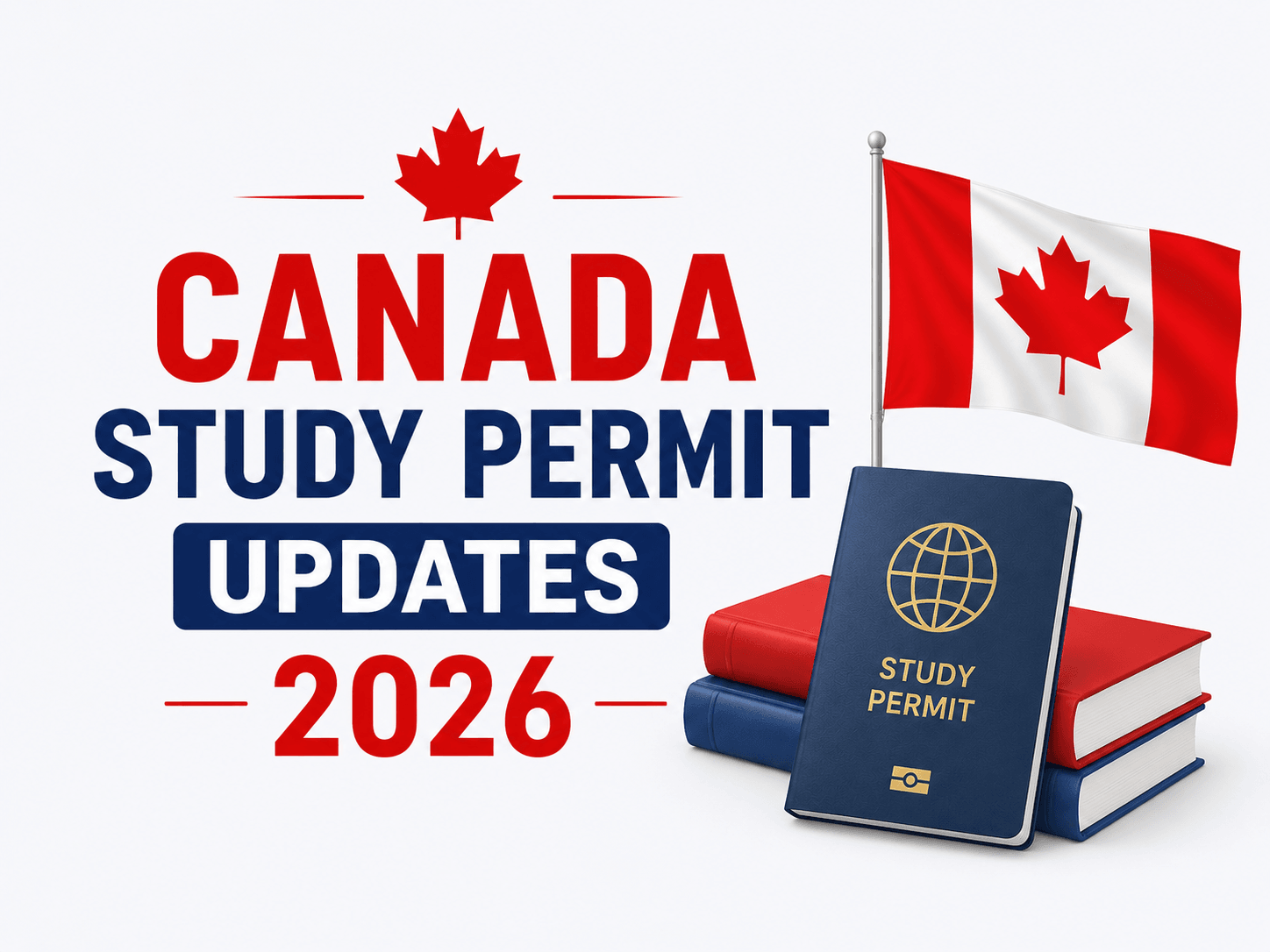
Canada's study permit landscape has changed dramatically in the last 18 months. New national caps, Provincial Attestation Letters, designated learning institution (DLI) compliance, and changes to Post-Graduate Work Permits have made 2026 the toughest year in recent memory to apply for a Canadian study permit. Here is what students, parents, and sponsor families need to know.
The Big Picture
IRCC has continued caps on the number of study permits issued each year, splitting allocations among provinces. The result: more documentation required, longer processing, and stricter program eligibility but Canada remains one of the most popular study destinations in the world.
1. Provincial Attestation Letter (PAL) Requirement
Most undergraduate-level applicants must include a Provincial Attestation Letter from the province where they plan to study. The province confirms the student is within the provincial allocation.
Practical impact: students must apply to their school, receive their offer, request a PAL, then submit the study permit application. Add 4 to 10 weeks to the timeline.
PAL is not required for: master's, PhD, K-12 students, and certain exchange programs.
2. DLI Compliance
Designated Learning Institutions must meet new compliance standards including student tracking, reporting, and minimum student welfare requirements. Some DLIs have lost DLI status. Always confirm DLI status at the time of application schools that were eligible last year may not be eligible today.
3. Cost of Living Proof Increased
IRCC has substantially raised the proof-of-funds requirement for study permit applications. Single students typically need to show more than $20,000 CAD beyond first-year tuition for living expenses. Higher amounts apply for accompanying family members.
4. Post-Graduate Work Permit (PGWP) Changes
PGWP eligibility has narrowed:
Public-private partnership college programs (PPP) have lost PGWP eligibility for newer enrollments.
Master's programs continue to qualify for up to 3-year PGWP regardless of program length.
Some programs now have field-of-study alignment requirements with PGWP eligibility.
The PGWP remains the most valuable bridge between graduation and permanent residence students should verify PGWP eligibility before paying their first tuition deposit.
5. Spousal Open Work Permit Changes
Open Work Permits for spouses of international students have narrowed. In 2026, only spouses of students enrolled in master's, PhD, and certain professional programs are eligible for SOWP. Spouses of bachelor's and college students are not generally eligible.
6. Health Insurance for International Students
Provincial healthcare coverage for international students varies:
BC: MSP eligible after a waiting period.
Alberta: AHCIP eligible for students on permits 12+ months.
Ontario: OHIP not available students must use private insurance (UHIP at most universities).
Quebec: RAMQ available for select country agreements; private otherwise.
Atlantic provinces: varies most require private insurance.
Most universities arrange mandatory school-based insurance plans (UHIP, GSS, etc.) but families bringing students to Canada should verify coverage gaps particularly for parents visiting during the academic year.
7. Family Visits During Study
Parents and family members visiting an international student in Canada still need their own visitor visa or eTA and their own visitor insurance the student's school plan does not extend to visiting family. For Super Visa parents, the student's status does not change the standard Super Visa requirements.
8. Path from Study to PR in 2026
The typical 2026 study-to-PR pathway:
Study permit and DLI program completion.
Post-Graduate Work Permit (PGWP).
Canadian work experience while on PGWP (target 12+ months skilled work).
Express Entry through Canadian Experience Class (CEC) or category-based draw.
Provincial Nominee Program (PNP) as a parallel option.
One Practical Step Every Family Should Take Now
Whatever changes Canada announces this year, one rule has not moved: visitors cannot access Canadian public healthcare. A single emergency room visit costs more than any visa application fee. Super Visa applicants must show valid medical insurance before approval.
DaddySafe compares real-time visitor and Super Visa quotes from Manulife, GMS, 21st Century, Destination Canada, and RIMI in 60 seconds. Buy before you fly coverage is active the moment your visitor lands.
Compare Visitors to Canada Insurance Now | Compare Super Visa Insurance
This article is for general information only and is not immigration, legal, or financial advice. Immigration rules change frequently always verify the latest details with Immigration, Refugees and Citizenship Canada (IRCC) at canada.ca or with a Regulated Canadian Immigration Consultant (RCIC) or lawyer. Insurance premiums and policy details are illustrative for 2026 and vary by insurer and applicant. DaddySafe is owned and operated by Immunis Financial Brokers Inc., a licensed Canadian insurance brokerage; we do not provide immigration services.
Related Blogs